Montrer le sommaire Cacher le sommaire
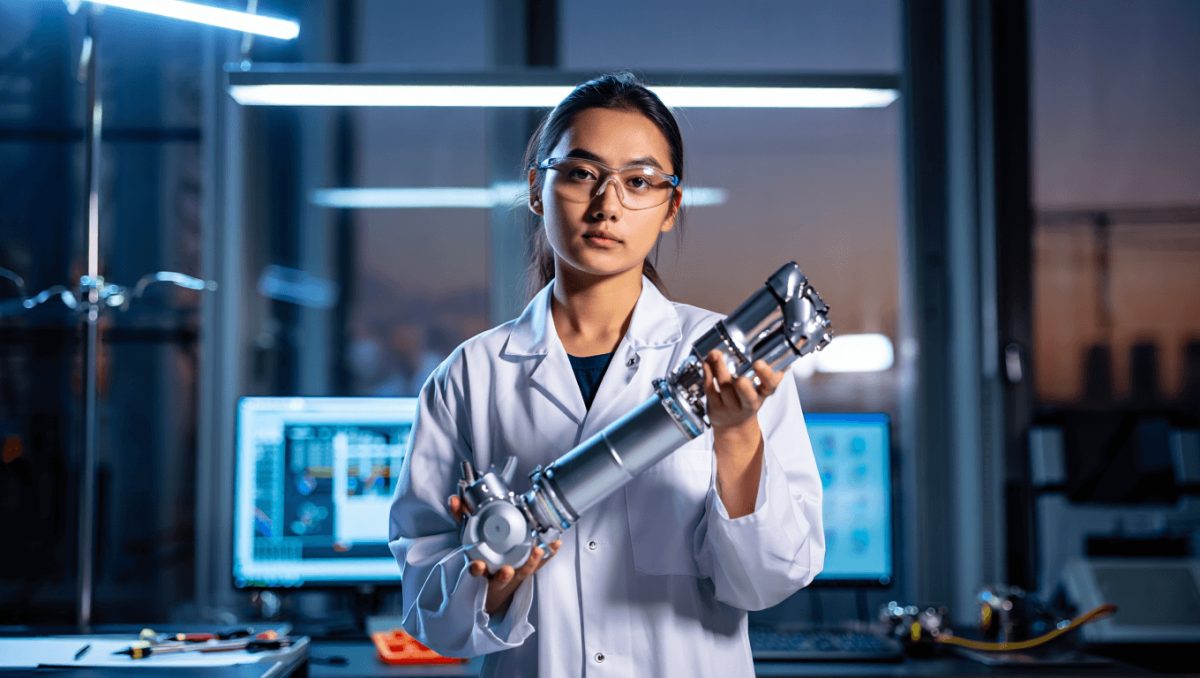
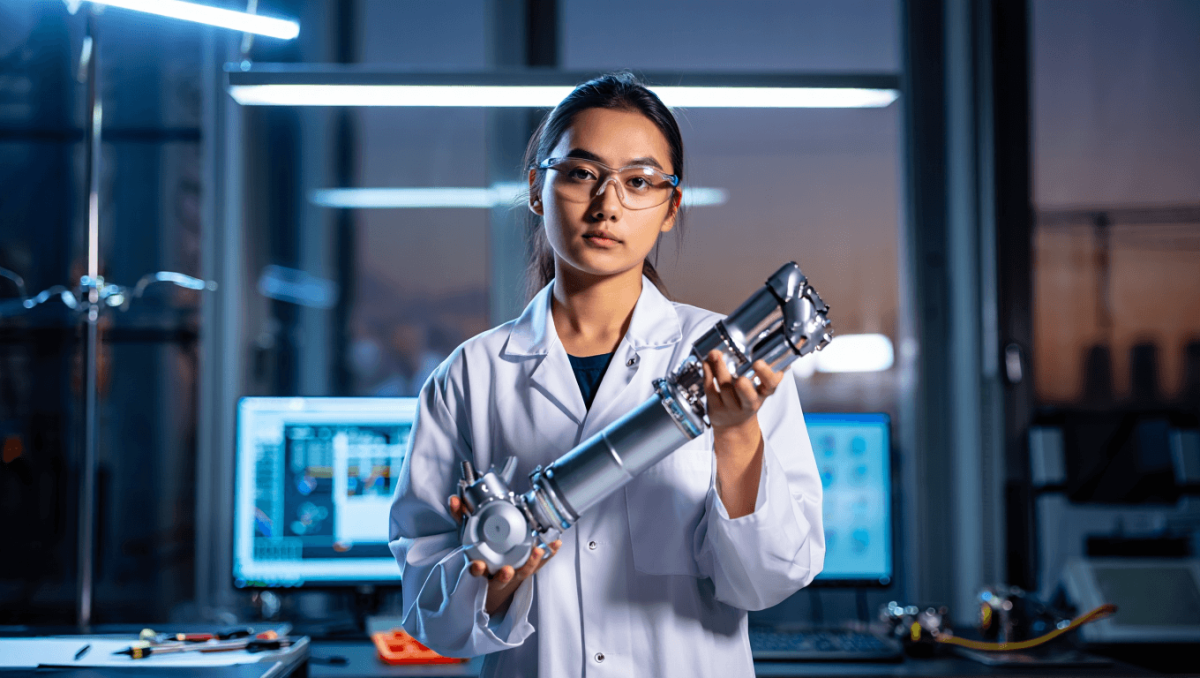
“Hi‑tech” describes industries and products built around advanced engineering and digital innovation. The term spans everything from the chips inside devices to lab work in medicine, and it shapes how people work, communicate and receive services.
What hi‑tech means
At its core, hi‑tech refers to technologies that push the frontier of engineering and applied science. That can include areas such as artificial intelligence, biotechnology, advanced materials, and the components that power modern electronics—each area focused on new capabilities rather than routine manufacturing.
Google met l’intelligence artificielle au service d’une déclaration d’indépendance revisitée
Dans les hôtels, un autocollant apposé discrètement aide des millions pendant le ramadan
Where you meet hi‑tech in everyday life
Many everyday products and services now rely on hi‑tech advances: smartphones run increasingly powerful processors, medical diagnostics use sophisticated assays, and supply chains use software-driven automation. Often those advances are invisible to users, embedded in services rather than visible as standalone devices.
Businesses also depend on hi‑tech to improve efficiency and offer new services—cloud platforms, data analytics, and automation tools are common examples that affect how companies operate behind the scenes.
Practical implications for consumers
Hi‑tech can deliver clear benefits: faster devices, better treatments, and more convenient services. But it also raises practical questions about device longevity, data handling, and energy use.
- Check how products handle updates and security.
- Understand what personal data a service collects and how it’s used.
- Consider energy and repairability when choosing electronics.
Broader challenges
Technical progress frequently outpaces regulation and public understanding. That gap creates tensions around privacy, security, workforce shifts and environmental impacts tied to production and energy consumption.
Addressing these issues requires coordinated responses from industry, policymakers and civil society: clearer standards, responsible design practices, and informed public debate about trade‑offs.
What to watch for
As hi‑tech continues to spread across sectors, the most relevant questions are practical and ethical: who controls the technology, who benefits from it, and how its costs are distributed. Those considerations will shape whether technological advances translate into broad social gains or deepen existing divides.




![Tahar Rahim est un Prisoner à 100 à l'heure [critique]](https://slashmedia.ch/wp-content/uploads/2026/07/Critique-Tahar-Rahim-porte-Prisoner-a-toute-allure-scaled.png)